A Deadly DecadeEpidemic Encounters in the seventeenth-century Northeast
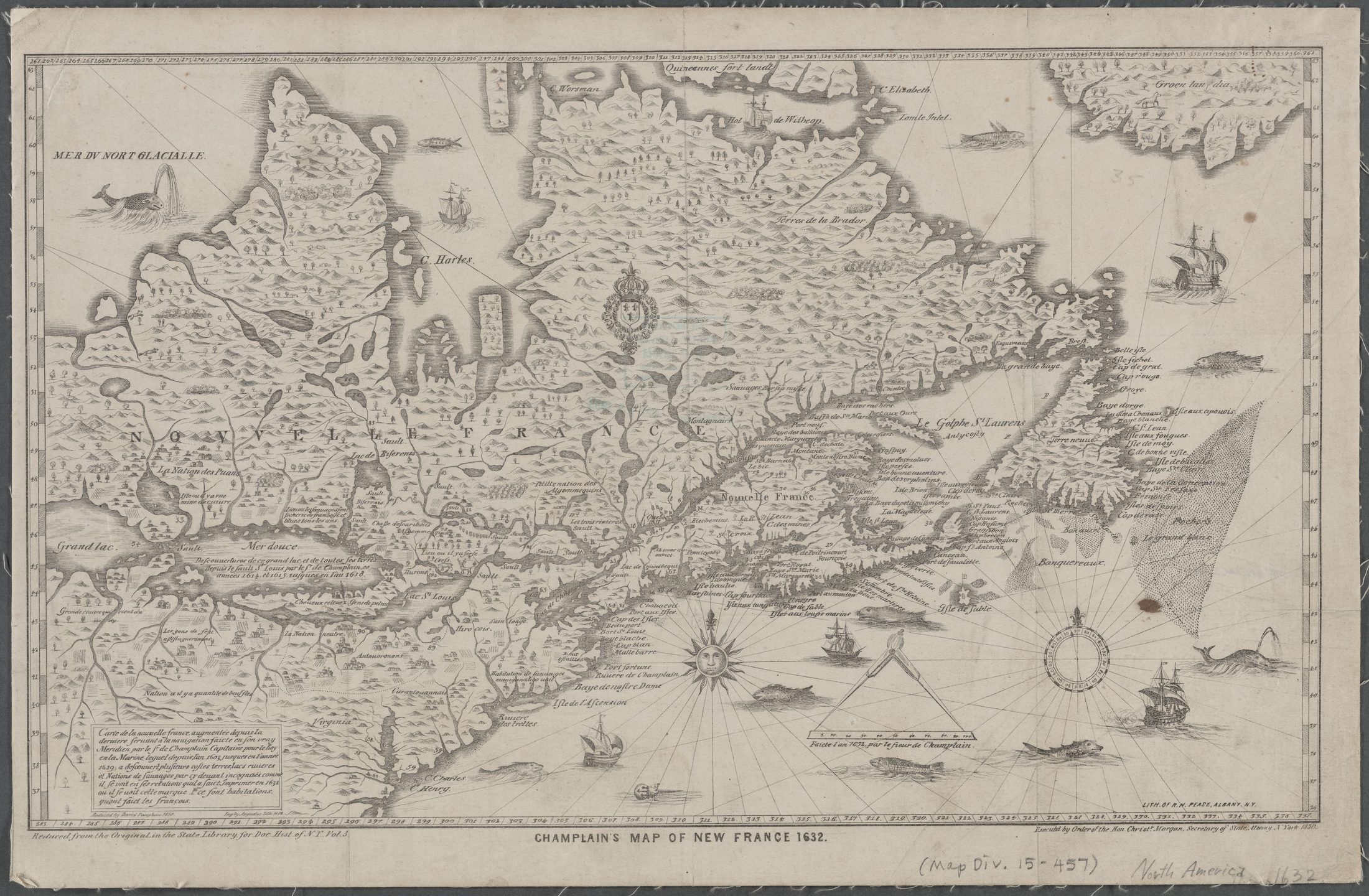
In the 1630s, a decade of colonial disruption and climatic instability turned recurring epidemics into a regional catastrophe that shaped the founding of what became Canada and the United States. Smallpox, measles, influenza, and probably other infections struck in succession across northeastern North America, moving through Indigenous and colonial communities alike. From the Massachusett and Pequot of the coast to the Wendat and Haudenosaunee confederacies of the interior, these were not virgin populations meeting a novel pathogen on empty ground. They were communities already absorbing the ecological and epidemiological consequences of French, Dutch, and English settlement, and they answered the epidemics in ways that drove the violence and colonial expansion of the years that followed.
Histories of epidemic disease are usually written as discrete events: a single illness moving through a single population in a familiar arc of arrival, devastation, and exhaustion. A Deadly Decade argues that the 1630s Northeast can only be understood at two scales at once. At the community scale, each outbreak was a local syndemic, disease feeding on hunger, dislocation, and colonial violence until the damage ran far beyond anything the pathogen could have done alone. At the regional scale trade and diplomacy linked communities across the Northeast, carrying captives, goods, and infection along corridors that ran through and between Indigenous and colonial spaces. On the Connecticut River, at the seam of English and Dutch claims, epidemic loss and colonial pressure erupted into the Pequot War. To the north, mounting deaths drove the Dutch-aligned Haudenosaunee and French-aligned Wendat into escalating cycles of raiding and reprisal. None of this was visible from inside a single colony. Only by reading the three archives against one another does the region come into focus as a single epidemiological event.
This syndemic has gone unrecognized because colonial history is still written within national and narrative frames that this regional story cuts across. In American historiography, the epidemics of the 1630s are overshadowed by the “Great Dying” of 1616–19, whose virgin-soil simplicity has drawn far more attention than the messier, better-documented devastation that followed. In Canadian historiography, the 1630s loom large, and the losses among communities such as the Wendat are central to a national story of encounter and expansion. But that story stays bounded by the borders of modern Canada. Disease respected neither boundary. Read across all three archives, and along the Indigenous corridors that connect them, the 1630s come together as a single transnational catastrophe that no national tradition, confined to its own archive, has been able to see as a whole.